How Steve Loguidice Builds 8 Figure Businesses in the Attention Economy (Without Chasing Clout)
Jonathan Jackson: Today we are with
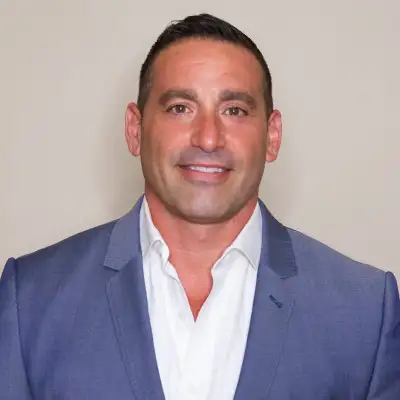
Steve Loguidice . He is a revenue expert.
He's built sales teams at buzzfeed.
He was one of the early leaders
at, , Kevin Hart, studio HARTBEAT.
So if you're interested in scaling
your business, if you're a creator,
thinking about bringing on operators,
if you are a studio or agency
head that's thinking about how do
you make sense of this tumultuous
market, this is the episode for you.
He digs into his career.
He gives us frameworks, he gives us
mindset shifts, and he's incredibly
generous with his insights.
So if that's what you're into, make sure
before we start this episode you subscribe
because otherwise I don't know why you're
here and we'll see you on the other side.
How do you think about
constructing an audience loop that can
be sustainable over time and actually
produce revenue so that a creator led
business can even sustain and then scale?
Steve Loguidice : Yeah.
Yeah.
It's a good question.
I mean, everybody is saying consistency,
which is one thing, but I think it's
really understanding that one thing that.
An audience is looking to you for going
after, why they would continue to show up.
And then you can figure out using data
and insights and that feedback loop
on how you repeat that everywhere.
'cause that's the big thing, right?
If you're just reliant on YouTube
on a specific platform, or
even all the platforms, you're,
you're building on borrowed time.
Like, I've seen this, you know, over
the last, , 15, 20 years, right?
The cycle.
Just like demolishes businesses that are,
, the bell of the ball, just flying high.
And then you realize it's like, all right,
I'm actually beholden to somebody else's.
Rules.
Jonathan Jackson: Yeah.
Steve Loguidice : And so you know,
that answer is how do you really
establish why people are there and is
there business around it as well too?
, You see some creators and channels that
have millions and millions of views, but
there's no business there afterwards.
They're going there for purely
entertainment., And entertainment's
fine, but it's purely entertainment
that might not even be consistent.
It's all over the place.
They're just, it's just entertaining.
Yeah, it's just interesting.
It's fun.
So you're seeing this big shift into
these niche creators for that reason.
And once you understand , like
why the audience is there,
it makes it really easy.
I shouldn't say easy.
It makes it easier to create
a business around it, right?
Jonathan Jackson: This idea
of the focus kind of shifting.
Is thematic, right?
Every kind of cycle in the media industry,
there's always , this is the way and then
the way happens and then there's like a
spark somewhere else, and then there's
like a new sort of thing to follow.
What do you in this moment where we're
in massive fragmentation and what, you
know Evan Shapiro talks about with this
affinity economy where you and I all
have affinity for very specific things.
Steve Loguidice : Mm-hmm.
Jonathan Jackson: And our watch
time essentially is a lagging
indicator of our affinity, right?
Fitness, business, whatever
sports cars like, it's fragmented.
But to build a business inside of that
kind of fragmented opportunity, you need
to figure out a way to loop your audience.
Through each of these individual
moments of like shelf space.
So if I'm trying to get to Steve and
I got, Steve's got two hours a day.
Absent responsibility and family, and it's
like, cool, I got a second on Instagram.
I got 30 minutes, I got another 45 on
Apple Podcast to hit a chess workout.
, That's part of your job as a business
if you're trying to reach Steve.
Steve Loguidice : Mm-hmm.
Jonathan Jackson: It's , do
you have thoughts around like
the revenue implications of a
fragmented environment like that?
Steve Loguidice : That's why
you need to be thinking about
diversifying everything you're doing.
And so I'm reaching Steve, I have
a very specific, it's weird saying,
Steve, I'm reaching, I'm reaching
Bob, I'm reaching whoever, right?
, I have a very specific, , voice and
reason that there's this affinity
and I built that trust, right?
And I love the, , we can go down a rabbit
hole on the, you know, just Evan Pryor's,
you know, affinity economy, right?
Because I, I'm all in on it.
I, I totally agree with it.
Yeah, you've built that trust.
You have to continue to
give them that trust.
'cause that trust is very easy to break.
Hmm.
But from there, okay, understanding
where there is monetization value, right?
Easy ones are obviously
brand partnerships and,, and
collaborations and stuff like that.
But then thinking beyond that and
saying, okay, how do I, give the
audience even more of what they're
here for, the affinity that I've built.
And we're seeing that
with consumer products.
We're seeing that with live events.
We're seeing that with, , apps and
all of these other things as well too.
And the, the thing I think I didn't
say in my last, answer to your
other question was track measure.
And,, essentially understand
like everything that you do.
And so from a creator standpoint,
look, we'll get an infrastructure
a lot or most are, you know.
Just amazing at creating content.
And they should.
And so how do you figure out, how
do you build that infrastructure
around you and bring, bring people
in That can be those people that
can help you run a business, right?
But your job should then be at least
tracking and understanding through
data and information and insights
like what you just said with Mr.
Beast.
Like he understands it cold.
Those things will continually feed
and inform you on where there's
gonna be money opportunity, right?
And then I, I, I just advise like you
bring in somebody that's a professional
chief business officer, chief
revenue officer, something like that,
fractionally, you don't need to go and
just hire as you're growing, right?
Mm-hmm.
But somebody that can come in
and help you understand and see.
Through the data.
Jonathan Jackson: Mm.
Steve Loguidice : Like, here's
opportunities that we can go and
monetize that most people won't see.
Like those professionals,
, are just right.
Like they have like these X-ray
glasses that can just look at
something and say, oh, like we
can monetize here, here, and here.
Yeah.
Um, we're leaving money on the table
here long term, which is another thing
we should talk about, which is like the
impatience of the marketplace right now.
Yeah.
Like, here's how we could build this long
term to be, , a sustained revenue machine.
Um, but I think it's the track,
measure and track everything and
then just kinda review it and,
there's a bit of, what's the word?
Right?
Like, you gotta always have to be
a little, little anxious, right?
Unlike if things are working
now, it might not work tomorrow.
So like, what are we innovating on?
What are we mm-hmm.
You know, kind of, kind of making
our adjustments and changes
those small tweaks, those,
those marginal, uh, adjustments.
Yeah.
So that, five, 10 years from now, you
have, , this thriving business and, you
know, it doesn't need to be a Mr. Beast.
It doesn't need to be a,
a $5 billion, market cap.
Wolf Taylor : Yeah.
Steve Loguidice : Like putting
together a $10 million business is
pretty, pretty freaking good, right?
So, so I think everybody's got
their eyes on these massive deals
and these 0.001%, you know, things.
And really it's like cool, like you can
really just like aim at that as like a
north star and a big hero audacious goal.
But I think it's like, how
do you just build a sustained
business that can survive?
We've talked about this in the past, like,
I think the cycle is gonna be very, very
condensed compared to other market cycles
in, in the median or human industry.
And so everybody's making money
now, but once that flattens,
it's not gonna go away.
Like people aren't gonna spend with
creators, but it's not gonna be this boom.
Did you build something
that can survive that?
And is, and is sustainable, right?
Because when the hype is gone and you're
just part of the business model, right?
Like, like do you have
something , that's valuable?
, Carl Joseph-Black: You, you had
made a point earlier about making
sure you're measuring data, right?
And one of the questions that came to
mind for me was how do you separate what's
a signal from the noise of data, right?
Like, you know, today when you're posting
anything online, you got likes, comments,
shares, saves, uh, watch time, like all of
these different metrics and you're trying
to formulaically kind of get an idea of
how can I manufacture some sort of hit.
Steve Loguidice : Mm-hmm.
Carl Joseph-Black: Right?
But how do you separate the data that
matters from the data that doesn't?
Steve Loguidice : Yeah.
Uh, it becomes easier over time,
but it's, look at it a lot.
Apply it a lot and you'll learn from it.
And it becomes, you know,
there are, you know, you know,
there are cheat codes, right?
That you can kinda learn and, and
learn from other people that have
been doing it for a long time.
But a lot of the stuff that's very
specific to your business, it's,
you gotta put in the reps, right?
It's just like anything else.
I, I know a lot of people are like.
Oh, but what's like the, the
answer, what's the golden rule?
And there isn't, right?
It's, it's kinda like
knowledge and wisdom.
It's right.
Cool.
Like, I know I need to look at
this data, like wisdom's gonna come
from me actually going through it
through time and over and over again.
And so, yeah, I mean the, the 10,000
foot view answer is like, you just
gotta like, dig into it every day.
Mm-hmm.
And it's gonna suck sometimes
and it's not gonna make sense.
And it's like, you gotta kind of
go through that part, uh, to get to
the answers and then, you know, keep
bringing up the Mr. Beast example.
It's like, and then like one day
it'll just be able to look at it and
it'll just make, it'll make sense.
Like a beautiful mind, right?
It'll just all come together.
Uh mm-hmm.
Uh, but yeah, it's like, I would,
I would tell everyone, get as much
data as you can, try and organize it.
Right?
If you don't, if you've got somebody
you can bring in that knows how to
look at data, um, try to organize, I
mean, you have AI now that can kind of
like, you know, digest it for you and
just start picking out things that are.
Repetitive.
Right?
And then you can be like, all
right, this seems like a signal.
Is it because there's false signals too?
Carl Joseph-Black: Yeah.
Steve Loguidice : Right?
And so is this a signal?
Let's apply it.
Right?
It's, it's kind of like a scientist.
It's like, cool, like I have a
thesis now, lemme go put it in.
Is this hypothesis coming true or not?
It's like, holy shit, it is.
Alright, rock and roll.
Like, let's do more.
And then when you get to revenue,
revenue is, is the easiest part once
you start figuring out the data signals,
because it just becomes math, right?
It's like my CAC is this right?
Or my, you know, my, you know,
just getting a follower if like
a follower converts to a, you
know, to a dollar right amount.
So it's like, alright, can I just
continually bring that down and what's
bringing that number down, right?
Mm-hmm.
And then from there, alright,
I launched a product.
I launched this other thing, the
show, whatever, I'm did a deal
with Netflix and like that paid
X, Y, and Z. Can that format be
repeatable again and be sold again?
Right?
So then you can start applying, um,
Hey, I know every time I do XI get y,
that pay, that costs Z can IZ go down?
And then can that be repeatable again
and can I keep doing, eventually you're
gonna hit critical mass where it's gonna,
you know, the law diminishing returns.
Yeah.
It's not gonna, not gonna hit there,
but you kind, that's why you gotta
constantly watch it and look at it.
Right?
Jonathan Jackson: There seems to be
a like false equivalency I find when
people talk about the industry at large.
And so I'll, I'll frame it in two points.
One, one hand is , look how much
money Unilever put in to spend, right?
, Unilever is a massive sort of
linchpin for kind of just like the
advertising and media industry, right?
When they go, usually people
are like, okay, like they
had dedicated spend, right?
CPG.
So when they were like, Hey, we're
actually gonna allocate a more
significant portion of our budget to
creators, people saw that to your point
earlier, as like a massive signal.
They're like, look, Unilever's doing it,
that means other CPGs are gonna follow.
That means industry can no longer
ignore, so on and so forth.
I'm tempted to agree, but on
the other hand, I also think
about the era winner right now.
Super Bowl.
Well come on by the time it airs,
but like 30 seconds is $8 million.
People are still spending hand over
fist for Super Bowl ads knowing
they'll be forgotten on Monday.
And so the, we have these
two things happening at once.
We have, on the one hand, people
are looking at creators as
demand gen as they should be.
On the other hand, we still have a TV
spend moment that is four times as big.
Carl Joseph-Black: Mm-hmm.
Jonathan Jackson: Knowing it
doesn't actually deliver return or
ROI on any metric you care about.
And I'm, I'm curious as to.
Thinking about the way you've built
revenue teams and driven revenue, if I'm,
a CMO, how are you talking to me about
Steve Loguidice : Yeah.
Jonathan Jackson: The fact that
my kids cannot stop watching, I
show speed, but my media team is
like, we need to go get Matt Damon
Steve Loguidice : mm-hmm.
Jonathan Jackson: To
run this 60 second ad.
Steve Loguidice : Yeah.
Jonathan Jackson: In the middle of
this bad bunny show or else Yeah.
Like , how do I make sense of that world?
Steve Loguidice : Yeah.
Um, I'll answer that in a second, but I
do wanna, like, people I know at Unilever
probably hate this, but I'm like, I am
very suspect with the Unilever, uh, just
announcements and then being just, first
of all, I, I've seen this all before.
They did this back in 20 16, 20 17,
when they were building in-house
content studios and everything else.
And then they were like, oh, shit.
Like, this is really hard and we
don't wanna be in the media business.
So like, we're not gonna do this anymore.
Let's sweat our content and well
go have everyone do that again.
So for something like that.
I would, I would ask, cool.
You're pushing way more budget
into creators, but from where?
From your media budgets or
from your content budgets.
Right?
Because like 90% of their budget
in historically has been media,
which is programmatic, which is
pre-roll, which is TV ads, right?
10%.
And this is, goes across the
industry is content creative.
And that includes live experiences, right?
Like that's, that's all bundle in.
So if you're like, cool, that that
bullshit 10% that we're spending,
we're just spending more on creators.
I'm not excited about that.
You're not really doing anything, right?
You're just take taking one piece
of your creative and moving it
to another segment of it, right?
If they're really gonna say, Hey, we're
cutting programmatic down, we're gonna
do all this, we're gonna lean in heavy.
Alright?
And, and look, I should have
probably looked at that data
beforehand, so I don't know exactly.
Or if it's even announced or,
and , and then the other side is.
Cool.
You're spending way more with creators.
Is it, $10 million against,
10,000 creators, right.
Or is it $10 million
against four creators?
Yeah.
You know what I'm saying?, That's
where I wanna understand, because yes,
everybody, you're gonna hear more and
more of these brands say it and we're in.
But like, there's always the layer
deeper of Mm. Like, is this lip service?
Mm-hmm.
So you can say like,
Hey, we're doing this.
Wolf Taylor : Yeah.
Steve Loguidice : Um, so sorry I went off
the rails there, but I'm like, I got, you
know, I get a, I get a little, I get a
little itch on that one because I'm like,
look, I think they're doing great work.
And I've always thought Unilever's
done really interesting,
creative, , and better, than most.
But also like it's, I think the
jury's still out on , if they're
really leaning in properly into that.
Uh, to answer your question
about the Super Bowl.
Sorry, what was the question?
It was how, how do I, how
do I speak to CMOs about
Jonathan Jackson: it?
Yeah.
If, if a CMO shows up and they're like,
Steve, we look, we love it, but like
creators we know are emergent,
they're driving demand.
And we understand not just the conversion,
but the loyalty that comes with this.
Also, we make a big splash on ads
and we already allocated the budget.
Steve Loguidice : Mm-hmm.
Jonathan Jackson: So
like, I can't do both.
What do I do?
Steve Loguidice : Yeah.
Yeah.
I mean, as someone that, has been
in distributed content for, at like
the center of the universe of it for
like 15 years, I actually do think
there's still value in Super Bowl.
I think my answer is how are you
utilizing that outside of the game?
Because first off, there's
no more moment driven, right?
Very few are just like releasing
it during the Super Bowl.
So people are also aren't
watching it during the Super
Bowl the way they used to be.
Right?
Yeah.
Um, so it's like, all right,
is the money worth spending?
To get all of the other chatter
and then on top of that, like
what are you doing around it?
Mm-hmm.
Right?
And so it's like, cool, you wanna make a
big splash on it, that's great, do that.
But what are you doing to help really
amplify that for the weeks leading
up to it for the weeks after it?
Because again, that one day are you
really, unless like it is the most
great ad that you've ever put out,
which is the other reason why I don't
hate the Super Bowl, because brands
actually step up and make good shit.
Carl Joseph-Black: Yeah.
Steve Loguidice : Right.
Like, you know, back in my Buzzfeed
days, like in the early days, we
had a really strong point of view.
It was like, people don't hate ads.
Right?
They hate shitty ads.
Mm-hmm.
And you think about it, it's like you
watch Super Bowl and you watch all the
ads and you're like, that was so good.
Yeah.
And then it's business as usual.
The day afterwards it's like, cool, you're
just like pushing product down my throat
and telling me how great you are again.
Right?
Right.
When it's like, you did all this
work and all this money, why are
you not doing that all year long?
Carl Joseph-Black: Right.
Steve Loguidice : And so.
My take is, is like, all right, great.
Like cool, do that.
If you got, if you got the budget to do
that and allocate it, but then how are you
making the groundswell 50 x after that,
uh, so that you're taking that great ad.
And so one of the, one of the examples
I actually really liked, and again,
this is a Ben Affleck example, right?
And they spent, God knows how much money
they spent, but the, the Dunking Donuts
one, it was either a year ago or two years
ago with J Lo and Tom Brady and Right.
It was just huge.
But they had all this great
content that got probably as much
visibility seated afterwards and
before than it did on the show.
So there was like a, a, a connective
tissue that really like drove.
Mm-hmm.
Uh, I don't know what the ROI was on that.
Um, but to circle it back to your
question, I mean, if they can't do both,
it's more of like they have to do the
math and like, do you just want to be able
to say you're in the Super Bowl, or are
you actually gonna be making meaningful.
You know, meaningful, you know, uh, impact
into the business because if you're just
putting a Super Bowl ad up to put a Super
Bowl ad up, then I think it's pointless.
If you're putting a Super Bowl ad
up to use it as, you know, kind of
the springboard into all this other
massive stuff that you can bring
creators in and other creative and
do all these things that thread
to it, then I think it's worth it.
Carl Joseph-Black: Yeah.
To your point about creating meaningful
creative and operating kind of around
the Super Bowl per se, not necessarily
having to need to have the spot there.
I think about, you know, what,
what some folks have been doing
this the past few days, right?
Like we're here in early February and.
DoorDash just dropped
that, that 50 cent ad.
Mm-hmm.
I don't know if you saw that.
I
Steve Loguidice : haven't.
I haven't yet.
Carl Joseph-Black: Yeah, it's really good.
Steve Loguidice : Yeah.
Carl Joseph-Black: It's, it's basically
like, you know, 50 cent is known for
like, having beef with everybody.
Yeah.
And like, just being really petty.
Steve Loguidice : Really petty.
Carl Joseph-Black: Yeah.
So like, so like DoorDash and 50
kind of came together, put an ad
together where he, where he basically
like sends shots to all his ops
Steve Loguidice : mm-hmm.
Carl Joseph-Black: In this
like, very creative way that's
like very 50 cents style.
Yeah.
Right.
But it's piggybacking off of like
the touch point of everything that
happened with the recent documentary.
Steve Loguidice : Mm-hmm.
Carl Joseph-Black: Right.
Um, so I thought it was like
really good, meaningful, creative.
Steve Loguidice : Yeah.
Carl Joseph-Black: Um, and, and to your
point, you know, some folks are giving
the spot just to get the spot, but they're
not necessarily investing in the spot.
But then also the opposite
is happening where.
They're not investing much
Steve Loguidice : mm-hmm.
Carl Joseph-Black: In
the rest of the year.
But like, I think about like
a company like DoorDash that's
constantly making that Yeah.
Investment.
They're constantly innovating,
constantly being really creative.
Um, so, so the point you made actually
sticks really, it sticks with me.
Steve Loguidice : Yeah.
Carl Joseph-Black: Um,
Steve Loguidice : I mean, look,
with that example, DoorDash is,
you know, is, is working with
50 for the exact reason they
should work with 50, right?
They're giving the people what they want.
So we go back to the creator conversation
of, hey, when we're thinking about
monetizing and when we're talking
to brands or partners or whatever,
it's like, what's the reason?
Jonathan Jackson: Mm-hmm.
Steve Loguidice : Like, what's
what, why does this make sense?
Mm-hmm.
And can you be a secondly,
essentially second.
In attention because that's what's
gonna make the biggest growth, right?
So it's like, hey, we put 50 up front.
And again, I haven't, I haven't
seen it, so I don't know, like, but
I'm assuming it's much more 50 with
DoorDash as like, you know, the, the,
the, the, the supporting cast, right?
Yeah.
And so most of the time it's, I need to
be the, the star and creator X like do
content where it's like, I'm the star.
And it's like there's time for that.
Especially if you're really, you
know, working with a creator or a
talent, um, in like a long-term way.
Like of course we need to, you know, we
need to push product in different ways.
But, you know, the bigger part and how
to drive that affinity is, alright, I'm
making a connection with this person
or with these, with this audience
through the content and the story.
Because that resonates, right?
There's this, this thing that is just,
you know, the industry has not been able
to, to really latch into, in, in a, in a
big way, like across the board in that.
That trust and that, you know, that
affinity and, and all of those things
are built based off of the person
and what the person is interested in
and not what the brand wants to say.
Wolf Taylor : Mm-hmm.
Mm-hmm.
Steve Loguidice : Right.
And so, you know, I have, I have this,
this analogy that I've used for years
with like, people that have worked
for me, which is, or when, when I'm
talking to brands about just content
in general, distributed content, you
think about it like a party, right?
Let's say Carl, you and I go to a
party, you introduce me to Jonathan,
and I walk up and I just talk
about how great I am and why you
should be my, my friend, right?
And like how cool I am and like, yo, we
should, you know, all this stuff, right?
Get
Carl Joseph-Black: this guy.
Steve Loguidice : Yeah, I know, right?
I mean, I mean, dude, well, well can
you use this as an example, right?
Like, like, uh, you know, we have
to get to the poncho at some point.
Yeah, for sure.
Uh, we
Jonathan Jackson: have to
Steve Loguidice : get, uh, the, um, so
you know, you'll be nice to me for a
bit and then you'll excuse yourself and
probably avoid me the rest of the time.
And if.
A month later, Carl comes to
you, Jonathan is like, Hey,
you remember my friend Steve?
It's like, probably not.
Or if you do, it's like, yeah,
that guy, that guy sucked, right?
Mm-hmm.
Same story.
We go to a party.
Yeah, we, um, we, we meet each other and
we spend two hours talking about some
trip that I was just on that he's dying
to go on, or our kids, or, you know,
this dope poncho he's got and where he
got it from and the whole story, right.
Nothing about me.
And then a month later you
call him and you're like, Hey,
you remember that guy Steven?
He's like, yeah, that dude was
fucking awesome person, right?
Yeah.
He's like, dude, that, that
dude was fucking awesome.
It's like, yeah.
Uh, he's, he's moving into town
and like, you know, he just wants
to network with people, right?
He's trying to, he's thinking
about his, you know, his career.
Can I give him your number?
And it's like, yeah, of course.
Not only now have I earned the
right to tell you all about myself.
Mm-hmm.
But even potentially ask you for a favor,
like a connection to somebody else.
And you're much more open to do it.
So if you think about it as a
brand, it's like brands are like,
I have the best toothpaste, the
best car, the best whatever.
It's like cool story, bro.
Like everybody else in your
category is saying the same shit.
Right?
But if you can make that connection
about me and what I care about,
well then it's like, oh, by the
way, I've got this, this cool car.
Yeah.
Right.
Or I got the best deodorant like I
should, let me tell you about it.
Right.
And so that I think is the biggest, , gap
that needs to be filled with brands
and creators and just content is
like, hey, you don't need to be front
and center, all of it, but you have
to commit enough to be able to build
like a reputation with that audience.
Mm-hmm.
That like they look at you and
go, I like that brand 'cause
that brand connects with me.
Because that, that brand represents
values or things that I do.
That brand always is giving me, you know,
fun and interesting things or infor or,
or information that I always want, right?
Mm-hmm.
And so I then look for that
brand to go purchase when it's
time for me to go buy, you know?
Yeah.
Yeah.
Jonathan Jackson: There's a,
there's a founder I've, I, I heard
recently, name is, uh, sorry, is out.
She runs a company called Sublime, which
is basically a, um, an app that helps
you sort of organize thoughts around
from different service on the internet.
And she talked about in growing her
business, she learned in the past year
not to confuse attention with trust.
Carl Joseph-Black: Hmm.
Jonathan Jackson: And so, to your point,
um, her thesis was kind of like, be
the bait you want to see in the world,
which I think is really profound.
'cause like, to your point, if
there's a thing you wanna attract,
it's better that you embody it
and allow people the invitation as
opposed to being like, I'm awesome.
Mm-hmm.
You know, I'm awesome.
Which has two impacts
in this current moment.
One attention's so fragmented
that that's actually not resonant.
Like saying you're the best is not
the same as saying you're the only.
Steve Loguidice : Mm-hmm.
Jonathan Jackson: And I think, you
know, in this metaphor, like you're
the only person that talked to me
like that for that amount of time.
Steve Loguidice : Hmm.
Jonathan Jackson: Because I couldn't
talk to other people for that long
unless it was a different conversation.
So you've actually like marked our
time, not just by being yourself, but
by like what we did with that time.
And I, I'm, I'm often when I think
about social just being tv, it's
like how do you become the thing
that reminds people their show is on?
Right?
Like, in your day it's like, it's 9:00 PM
hub's on, it's not because of the point.
It's like I schedule my
time to go consume that.
'cause I get to decide when my show is on.
And I, I'm, I'm, I'm interested
to understand more about how you.
Have thought about building enduring
franchises in distributed content that are
actually investible and then sellable in
terms of like the packaging of the thing.
Because what we're talking about is it
needs fandom to really go and to really
move and to really be sustained over in
this kind of cycle, a year, two years.
But the stuff we know that's 5,
10, 15 years old, packaged, well,
deep fandom and consistently can
be sold in different formats.
I'm just, I'd loved your opinion
on like, how do you even go about
thinking through something like that.
Steve Loguidice : Yeah,
that's a good question.
Right?
I mean, 'cause, just 'cause it's,
it's, there's a lot of lanes, right?
Yeah.
And, and every, every
business is different.
Um.
I mean, look, when you talked about
the attention being fragmented, I
mean like, we're well past that.
'cause it's commoditized
by AI right now, right?
So once you have the trust of an
audience, it can't be all about right.
Like you being in front of the camera
and just like en you know, entertaining
them or giving them information, but
how, uh, how can you scale that, right?
So you might have, you know,
20,000 followers, right?
But they're very niche and like a,
a very specific, and everything you
say resonates really strong with
them is way better than having an
audience that's 20 million mm right?
Where, where some of the,
your content resonates some
of the time with them, right?
So I think about these businesses where
you're growing the audience and you
have that 20,000, and let's say the
total market is only a million, right?
Like it might be a very
specific audience, right?
Mm-hmm.
And obviously it's bigger than that, but.
How do you then package that, that
dialogue and that trust in a way that
people that aren't following you?
Because yes, we're past attention
and we're in affinity, but
there's so much noise out there
Jonathan Jackson: mm-hmm.
Steve Loguidice : That you can't expect
to have everyone right on your channels,
because at the end of the day, they're
getting pulled in a million different
directions, and so they have to stop.
And you know, I heard
somebody just say that.
It's like we're we're best.
So it's not called social media
now, it's like interest media
because it's just the platform's
showing you you're interested in.
So on that thought, it's what are
you building that creates habit,
those habitual audience loops
that are gonna go seek you out.
Wolf Taylor : Mm.
Steve Loguidice : Versus just
opening up Instagram or YouTube.
. Seeing what they're showing you.
Right.
And so once you create that,
then I think from there , it's
building off of, you know, are,
are, you know, are you a beauty.
You know, creator, are you, you know,
um, fitness are you, whatever, and then
you have that habitual, then how do you
package that where you can now take that
habitual audience and then market it
to the rest of that total addressable
market, and they will then look you
up when they see, and they'll be like,
oh, this is a very trusted source.
Mm-hmm.
Like that, that, that trust and that
smaller audience can be scaled very easy.
And, and so I think, I think the, I
think one of the things the creator
economy needs to understand is like.
Just because you have attention doesn't
mean it's just gonna sell your product.
And look, there are the Mr Beasts
and there are the, you know, Hailey
Biebers and all of them, right?
That like, yes, can garner that, but
for the most part it's like you have
this stepping stone, this launchpad,
but then you still need to market.
Look, and I even saw this with, with
some of the stuff that Kevin was
doing at heart rate, where it's like
the marketing plan was like, we have
Kevin Hart, so like this'll sell
itself and it's not the case, right?
Gets the interest in the beginning,
but then how are you feeding the fire?
Right?
And so I think when you look at it in
the way of, alright, how am I going to
now market this to the larger, you know,
population that's still in my demographic?
Mm. Because people still have
Google, people are using, you know,
Chachi, BT to now search, right?
Like if they look like, I've
done this in the past where I'm
like, is this product any good?
Carl Joseph-Black: Yeah.
Steve Loguidice : And then you start
looking and you see that it's like,
oh, well this, you know, this dude's
been doing content on this for years
and is like an expert in it and launch
his own thing and people love it.
Right.
Fuck yeah.
I'm in.
Right?
Wolf Taylor : Yeah.
, Steve Loguidice : So that trust gives you
that there, but you then need to market
yourself to those people to look you up.
And so media and like paid media
has been such a dirty word and it's
because yeah, people buy views and
all this other stuff and there,
there is this malicious side of it.
But then the other side is, if
you're creating really good content,
you're creating really good products.
Like how are you using paid media?
Or even if you're working with another
brand that wants to just be a, , be
part of this amazing content you're
creating, like you can then use
paid me, paid media to, they just
promote it to other people within it.
It will organically find those people.
It, I'm sorry, organic is the wrong word,
because you're paid, but you're paying.
Yeah.
You're, you're putting it, you know,
if, if you're doing it right, you're
putting it in front of these people and
they will naturally stop and look at it.
Carl Joseph-Black: Yeah.
Steve Loguidice : That it's made for.
And the people that aren't right are
Carl Joseph-Black: they'll
Steve Loguidice : breeze Right.
Gonna, not gonna breeze right by it.
And so if you can figure out.
If you can package around, you know,
views and engagements instead of
just impressions, which is mm-hmm.
You know, worth nothing really,
then, you know, then you can
really, you know, create that scale.
So I know it's a long-winded way of
answering the question of how does
somebody look at it as investible?
It's like, you know, what does
the audience actually like?
Is there that deep trust and resonance?
And then can you now, you know,
market and promote that to
the total addressable market?
Yeah.
And what's the competition
look like in there?
I mean, then it gets into all the
regular business models of like,
is there a big differentiator?
Why would people care?
Mm-hmm.
Um, you know, is there a moat
that you can build around it?
All those other things.
And those questions are kind of,
you know, it's where you get to
like, is this a business or not?
Jonathan Jackson: Yeah.
Carl Joseph-Black: It almost sounds like
to me that like, you know, and I think
you mentioned it a bit earlier, um.
That, you know, if you're, if you're in
this game now, you're in the education
game, you're in the resource game.
Steve Loguidice : Mm-hmm.
Carl Joseph-Black: Right.
Because that's where I would
assume the trust comes from, right.
That people have been able to, um,
engage with and or learn and or get value
out of the business that you've been
providing or the content that you've been
providing for significant period of time.
And then because of that, they have
decided to opt into the business
model or the flywheel that you
eventually decide to make out of that.
Yeah.
Audience trust.
Would I be right in that thinking?
Steve Loguidice : Yeah.
I mean, absolutely.
Right.
I mean, the idea is what's, how
are you stacking onto those things?
Carl Joseph-Black: Mm-hmm.
Steve Loguidice : Right?
And so, I mean, yeah, flywheel is the
best right way to, I don't think most
people like, think of flywheel properly.
'cause the flywheel should be
feeding the other things as well.
Wolf Taylor : Mm-hmm.
Steve Loguidice : Um, but yeah.
How are you stacking
those things together to.
You know, push to the next thing, the
push to the next thing, and then come
back around and push to the, you know,
so if you think, I mean, I'm, I am so
bullish on live and I, I, you know, it
sounds like I'm jumping on the bandwagon.
'cause now I feel like everybody is,
is saying it, but I've been for a while
because, you know, I, it gives you this,
this, this even more personal connection
with, you know, with, with your audience.
And that's either from an individual
or, you know, I think a lot of, uh,
creators should be thinking about
it, of like, what's the overarching
brand that I can build around me?
Hmm.
Not necessarily a, a like a,
like a, like a product, but
just like, what's the brand?
Like I look at Mr. Beast to use
as an example of Mr. Beast is now
becoming the, the Disney, you know?
Mm-hmm.
Versus it being necessarily Jimmy.
Right?
I mean, he's still there, but if you
look at the, the different pieces of
business he's rolling out, it's like, all
right, how does this become synonymous?
Where it's like, I, you know,
I just wanna be a part of this.
Right?
And so.
Whether that's the brand or the
individual that live experiences or what
everybody's kind of really asking for.
Yeah.
So it opens up so much new doors, not
only from content, but from product,
from collaboration, uh, from, you
know, just thinking about getting down
into like, there's other merch, right?
There's ticketing, there's
VIP experiences, right?
There's um, you know, like I said, as
you bring in collaboration, it's like,
is there equity partnerships you can guys
can be doing where it's like now you're
bringing in other products and other
brands that are supportive of what you're
doing, and then does that feed right
back into the loop of like, all right,
people just went to this live experience,
it was insane and now, or it was chill.
Like it doesn't even have to be insane.
Like, it was just good.
It was just exactly what,
what those audience wanted.
And then it's just gonna reinforce
that they're gonna continue
to go to your other, you know,
other parts of your brand.
Jonathan Jackson: This
is, it's a good segue.
One of the things, you know, we talked
about off camera was sort of the.
Massive amounts of sort of deal flow
and structure we saw from kind of mid
2025 into the start of the new year.
One of the ones that I've been
thinking a lot about is this
iHeart and Netflix deal, right?
Where iHeart obviously is the, one of the
worlds if, if not the world's largest sort
of distributor of audio period, right?
They own over 800 physical
terrestrial radio stations in the us.
They can run an ad to you in Long
Island, me and Jersey listening to the
same podcast with completely different
things because of the data they have.
And you have Netflix, right,
which essentially is a data
company that sells me movies.
And so Netflix needs more people to watch.
iHeart has talent that actually needs
distribution and so they come together.
Netflix is like, well buy.
Part of your slate traditional deal.
We'll put you somewhere
as we figure it out.
We'll re we reformat your show
from here to there, we'll uplevel
it, we'll see what happens.
Given your background,
two direct questions.
One, what do you think about the deal?
Steve Loguidice : Alright.
Jonathan Jackson: And the second one
is, if you were doing the deal from the
side of iHeart, what would you ask for?
Steve Loguidice : Okay, so the first
question, uh, I think the deal is
really interesting on two fronts and
more interesting on the, the Netflix
side is that Netflix is kind of
taking, , the cable model and being
like, Hey, how do we get exclusivity?
Put it behind a paywall
change audience, right?
Like, like how the audiences are
actually, you know, con consuming that
and change behavior over time, right?
So that's one.
Number two is like they are.
Art of war coming, right?
So there was three, that's a
third deal in three months.
You had Spotify in October, you had
Barstool, and then you had this.
Mm-hmm.
Right?
So they are just like, cool.
We are, we are going to like
hurt YouTube in that way, right?
Um, I think they're using YouTube
as more of a, as a partner in, in
other ways, but in this one it's
like, hey, podcaster shows, right?
Uh, you know, this is where I feel like
a lot of people feel really connected.
I know I personally do all that
stuff, , to that host, right?
Mm-hmm.
So there is a, a even bigger loyalty
than like an entertainment show.
And so I I, I think they're just like,
all right, you know, we're gonna do this.
Let's go do this.
Right?
And so, you know, the iHeart deal spec.
So, so the, that's what it really
interests me on, just everything that's
happening on audio with Netflix right now.
And I'm intrigued to see how YouTube.
Response considering YouTube is
not paying for them to be there.
Mm. And Netflix is Right.
Um, now the other side of it is, is
Netflix is only paying them for a year.
If it doesn't work, Netflix can walk.
Um, but at the other, on the
other side too, like YouTube could
turn around and fuck the deal.
But I, I don't know what the fine
print is if like Netflix gets first
rate of refusal to like keep them on.
Um, but the other side I think is
really smart on, on iHeart's side
is they kept all the audio rights.
Mm-hmm.
It's like, cool, you take, you
take the video, we're keeping
the audio, we can repackage
this, cut this up, do this Right.
Resell this, whatever.
And then whatever happens with the,
with the video, like they always
have the, they always own the audio.
Yeah.
Right.
Um, what I would ask for, I, I don't, I
would've probably asked for a, a longer,
longer deal terms probably, um, because.
You know, you get $10 million
for these shows, or I'm blanking
on what the number is next year.
They're like, we're not doing it.
Like that's a $10 million hole.
You know, that's gonna be
planned for growth, right?
Yeah.
Wolf Taylor : Yeah.
Steve Loguidice : Um, and I'm not saying
a two or three year deal would've, but I
would've, I would've probably negotiated,
you know, or, or looked to negotiate
longer deal terms to say, okay, like, give
us time to make sure this really works.
Wolf Taylor : Mm-hmm.
Steve Loguidice : Um, 'cause 12 months
also isn't, it's not that long, man.
Right.
And so, you know.
Because iHeart can then change how
they're also producing these to fit better
with what they're doing for Netflix.
And I don't know where Netflix falls
in on that whole side of things,
but, um, I think that would be
the one, the one part of the deal.
I, I overall liked the
deal on iHeart's part.
I think it was smart, right?
You're, you're putting this
stuff out for platform revenue.
Mm-hmm.
Uh, and then obviously, oh, the, the
other thing that iHeart did really smart
is they kept it where, you know, the,
the, the ads that they can bake in on
U would typically on YouTube, they're
selling those ads will stay on Netflix.
And not be you.
Like there won't be other ad breaks.
Jonathan Jackson: Mm.
Steve Loguidice : Right.
Oh, so there is some revenue that they're
also, they're, they're, the ability
for them to sell and monetize on top of
it for the video side is really smart.
So that's why I'm like, kind
of stumbling to think about.
I'm sure if I sat down and
really, really thought about it.
Um, but I think it, I think
overall it was a, it was a really
good deal on iHeart's part.
And I think if it works for Netflix Yeah.
And they keep doing this, right.
Like, I think, like they
could, they change behavior.
Jonathan Jackson: Mm.
Steve Loguidice : Where everybody
just knows now, like, I gotta go
check out my, my, you know, the, the
video side of this, or if I'm gonna
go on Netflix right away, I can go
and they're already promoting mm-hmm.
The pods a ton when I'm on there.
Right.
So, you know, I, I think if, if
they truly change the behavior,
but if they, you know, I think
that's why they're going so hard.
If they don't, like, it's very easy for
this to just fail on them because like
YouTube is still the behemoth monster of
Jonathan Jackson: Yeah.
Steve Loguidice : Everything
that's happening in the
video podcast world, right?
Jonathan Jackson: Crazy.
Carl Joseph-Black: Yeah.
I mean, they are,
but
it makes me think also like what will
the viewer experience be for like
Netflix's deployment of this deal, right?
Mm-hmm.
Because, um, typically with at
least, you know, with, with YouTube,
um, you are seeing all these
different ways that the creators
are leveraging the platform, right?
Mm-hmm.
Like you'll go to like, you know,
maybe like a show like Joe Biden, at
least what they used to do is like
chop up a bazillion of these clips.
Steve Loguidice : Yep.
Carl Joseph-Black: So on and so forth.
But Netflix.
Doesn't necessarily rely on that.
Right.
Instead, it's like you're watching
everything from start to finish.
Steve Loguidice : Hmm.
Carl Joseph-Black: Right.
Which is a completely different viewing
experience if you're an audience.
Right.
Like, and obviously Netflix
doesn't know for for sure how that
audience consumes that content.
Whether it's they do it in 15 minute
increments and the video is done.
Steve Loguidice : Mm-hmm.
Carl Joseph-Black: Or whether they sit
down and watch all three hours Yeah.
Of whatever podcast it is.
And like, that's the wrinkle that
I've been really thinking about
in regards to like that deal.
Steve Loguidice : Yeah.
Carl Joseph-Black: Right.
Just like what does the act, how does
the audience actually consume that?
And that's the reason why I, I, in
agreement with you thought it was really
smart for iHeart to keep the audio rights.
Steve Loguidice : Yeah.
Carl Joseph-Black: Because
what we do know is that.
If somebody's listening to it.
Steve Loguidice : Yeah.
Carl Joseph-Black: They're listening
to it for a significant amount of time.
Steve Loguidice : Yeah.
Carl Joseph-Black: They're listening
to it while they're driving.
They're listening to it
while they're cooking.
They're listening to it while
they're doing some other activity.
Steve Loguidice : Yeah.
Carl Joseph-Black: Right.
But watching it is a completely
different experience.
And sometimes people are playing a video,
but they're actually watch listening.
They're actually listening, yeah.
Not physically watching.
So it's actually a bold risk by Netflix.
But then I also understand,
because you know, you're standing
up against YouTube who's Yeah.
Primarily UGC.
Right.
Steve Loguidice : Well, you know,
I, I, I'm, I'm curious as to like,
you know, a lot of podcast, you
know, video podcast content is
consumed Eclipse too on YouTube.
Mm-hmm.
Carl Joseph-Black: Yeah.
Steve Loguidice : So I'm curious to see
YouTube or Netflix, how they're gonna
think about that to continue to keep
people kind of engaged that way, but.
You know, I would, I would assume that
Netflix did their diligence on like,
how people are watching those, right?
Mm-hmm.
Um, again, like it, it's some false,
false reads, I think, because like you
said, they're, they're, uh, you know,
you don't know if they're just playing
in the background and kinda listening
to it while they're cooking or whatever.
Mm-hmm.
Um, but I mean, overall, it goes
back to what Jonathan said about
those, those audience loops.
Carl Joseph-Black: Yeah.
Steve Loguidice : And so, you know,
we know for sure Netflix's number one
priority right now is live, right?
Like, they've proved that, like
Logan Paul, NFL, uh, the guy
climbing the skyscraper, I'm
blanking on his name, right?
Like they're going all in.
So what my opinion on this is, or or
perspective is, is that they are just
trying to bring those audience loops
in that they already know show up.
So that they can just monetize that
in a, in a much more inexpensive
way than testing IP and mm-hmm.
You know, and, and, and,
and building it themselves.
'cause it's already being
built or it's already built.
And then be able to just
fuel the live machine.
Right.
Because I think live is where they know
that's where, um, you know, client or
customer acquisition and like retention,
where they're gonna come people on where,
when you're tuning in for live, like
you're putting the football game on,
you're watching the whole football game.
Carl Joseph-Black: Yeah.
Mm-hmm.
Steve Loguidice : Right?
You're watching that guy climb the
skyscraper that only took him, you
know, I think it was an hour, but
like it was a three hour thing, right?
'cause they play it all up, like
they know they got you, you know?
Mm-hmm.
And so I think they're thinking
about what's the, where, you know,
five, six years ago they were just
dumping money into like new ip.
Wolf Taylor : Mm-hmm.
Steve Loguidice : Right?
And it's like, we'll just pay for all
these, these, these new movies and
this, that, and the other and be that.
And now I think they're realizing that
it's like, Hey, how do I just bring
audiences in that are already primed?
Jonathan Jackson: Mm-hmm.
Steve Loguidice : And
then dump my money into.
You know, NFL rights and, you
know, all these other big,
these big live events, right?
Mm-hmm.
And so that, that's my opinion.
I think it's gonna continue that way.
I think there's gonna be a, a big
data piece to it on informing them,
like, like, we can spend X on this.
We know we'll get y from it.
Mm-hmm.
Um, which will come.
So now I think it's a little, a lot
of wild west and guessing, um, but,
you know, I think it's gonna start
informing them like they're smart.
Netflix knows what they're doing, right?
So for the most part,
Jonathan Jackson: the other, the other
deal I wanted to get your perspective
on is the, you know, Kabi lame deal.
So he's the largest TikTok in the world.
It's got three 60 million followers.
News broke.
Um.
Earlier in January that he
essentially did an all stock deal,
um, with a company out of Japan.
I believe that was China.
China, China, China.
I
Steve Loguidice : think it was China.
Just 'cause I'm like, all right, the
China kind of know what they're doing with
Jonathan Jackson: China.
China.
So they were like, so
China, they were, they were,
Steve Loguidice : I might be wrong, please
Jonathan Jackson: take his, edit that
out, take his, uh, take his entire
likeness, essentially create an AI twin.
He gives up the rights, um, of
ownership to that, but in exchange,
he becomes a sitting member of
that new holding company's board.
There's obviously profit
participation, but it was sort
of this landmark deal mm-hmm.
That we've seen in the space, quote
unquote, where you have media, technology,
AI creator, all wrapped in one.
Carl Joseph-Black: Mm-hmm.
Jonathan Jackson: And the documentation's
also public because that company
is listed in the US and so.
Reading the docs, I found
two things interesting that I
would like your perspective on.
Okay.
One, when he formed up his personal
holding company, he only owned 49%.
51% was given to the same company that
was gonna manage his e-commerce because
of all of the things he was doing.
So wholesale, fulfillment, everything.
So as a creator, he only owned
49% day on 51 top line revenue.
That numbers were saying he was
clearing per year up to most
recently it was around 20 million.
He's doing great.
So I have thoughts on sort of the
ownership structure and like, to
your point, bringing in experts.
Mm-hmm.
At scale.
First question, second question.
When you think about how much
fanfare that deal got mm-hmm.
What did he give up?
What did he take?
What are they gonna make?
The bet is $4 billion in enterprise value.
Was that.
Uh, AI generated, like
press release, I read.
Mm-hmm.
Like that's what they're
thinking they can do from that.
So, you know, Forex multiple on
somebody regular de regular degular.
Mm-hmm.
M and a deal if we're
just being honest Yeah.
In another market.
What do, I'm curious if you think
that at there's precedent for
those dynamics to trickle down is
the wrong word, to expand into how
that top 5% will be looking to
interact with enterprise mm-hmm.
Money mm-hmm.
By itself.
Steve Loguidice : Yeah.
Jonathan Jackson: Given what that, what
that deal, what that deal looks like.
Yeah.
Steve Loguidice : Um, from the
ownership standpoint, I mean, I
would always say like, giving up
majority stake is a bad thing.
I mean, they, they only have his likeness
for three years, so I mean, you gotta.
Uh, I'm, you know, as long as they
don't completely like demolish
his, his brand and his his name,
like it's a short term deal.
You're not, you're not essentially
giving up, you know, majority
stake of your likeness forever.
Right.
Um, and so I, I, I, I don't, I don't hate
a lot of people are hating on the deal.
I don't hate it for a couple of
reasons, which is, and I know you
didn't ask me about this, but it's
like, yes, it's a billion dollar
future value, whatever, right?
Um, and I know the hype
like blew it up and whatnot.
Um, the Chinese know what they're doing.
I mean, they've, they
proved it with micro dramas.
So it's like, let's say it's 150 million.
It adds out to be in three years.
Is he gonna do 50 million a year?
Probably not.
Right?
And clearly he's looking around
going, I need to build a business.
What am I building the business off of?
I could do this over here.
It's more of me.
I'm not gonna be required as much.
And I got a company over here that's
already showed me a business plan
that, and like, boom this out.
Mm. So it's like I'm a creator on TikTok.
That could, that could fall apart
tomorrow with TikTok closing, right?
Like, like anything.
It's like, why don't I go make
150 million up to a billion?
Right.
Even a hundred, right?
Mm-hmm.
Plus, you know, I don't know what
he's pulling in per year right now,
but I doubt it's 50 million, right?
And so that's why I don't hate the deal.
I think a lot of people are
hating it, but it's like, you
know, he didn't have this whole
conglomerate that you're giving away.
It was like, he's got a very specific, you
know, content format that has gotten a lot
of people following and, you know, yeah.
Just capitalize on it.
Right?
Um, as far as is it setting
precedent for others?
I, I think you're gonna see
more of these deals pop up.
I think they're gonna be look like,
if you think about like the SPAC hole
Jonathan Jackson: mm-hmm.
Steve Loguidice : You know, boom, back in.
Yeah.
You know, you know, 20 19, 20 20, 20 21.
Right.
Like, I think you're gonna see
some of that where you're gonna
see a lot of people coming out
and just like throwing money out.
Right.
The all stock, all stock is scary.
Right.
Like, you go to zero, you know?
Um, so I don't, I don't know,
I don't know how many are gonna
Jonathan Jackson: mm-hmm.
Steve Loguidice : Would,
would take that, right?
Uh, but I do think there's gonna be,
you know, other companies that are
coming in that want, you know, high
majority stake of, of likeness to
be able to kind of take and expand.
I think it will make sense in some
scenarios and it won't in others.
Um, you know, I think there's gonna be
some bad deals that are made for sure.
Uh, I don't think this, you'll
see this could be wrong, but I
don't think it's gonna be like a
long-term trend in any means, right?
Mm-hmm.
Uh, where.
It's kind of that hype
train right now mm-hmm.
Where it's like, all right.
And, and so I think like, K I'm
like, dude, go get the paper.
Right?
Like, why not gotta cash
Carl Joseph-Black: out
Steve Loguidice : all time?
Like, yeah.
Like, like take the
chips off the table and
Carl Joseph-Black: Yeah.
Steve Loguidice : You know,
you built this, you built this
kind of mega persona online.
Like, you know, you also have to have a
little bit of a trust and that it's like,
cool, if this all goes to shit, right.
And like, whatever, it's like I can
just turn around and go do it again.
Mm-hmm.
And I'm gonna get, like, I'm gonna
get, I'm gonna get, you know, I'm
gonna get paid for it right now, so.
Mm-hmm.
Yeah.
Yeah.
Jonathan Jackson: How do you,
creators watching this?
They're, they're like, cool,
I got my structure right.
I'm getting ready to make
sure I have an audience loop.
I even am thinking about how do I make
them feel like I'm meeting their needs
and I'm a participant in the party.
Do you have a framework for, how do
you recognize that you're ready to.
Be supported with someone
helping you drive revenue.
Yeah.
Versus sort of needing someone
to manage inbound, right?
Yeah.
So like manager versus
actual, , external like revenue
partner or go to market support.
Like how do you think about, if I
was a creator, how would you help
me make that decision as an advisor?
Steve Loguidice : Yeah.
Yeah.
I mean, look, , I'd want to like
even see your growth rate, right?
Um, I mean the, the, one of the biggest
indicators of any business, and like
if you have, uh, if you're growing at
a, at a large clip, like part of it
is, is servicing the business and the
relationships that you're building, right?
And so if I see someone that is
small but growing fast, I would
advise them to be like, Hey, how
do you get some operators in here?
, Because look, you should be
thinking about account management.
You should be thinking, maybe not
sales yet 'cause it's coming in, but
it's like, who's managing that stuff?
And then do you wanna be
managing those people, right?
Mm-hmm.
Mm-hmm.
And so, because.
Unless you're the 0.01%, there's
a lot of options out there, right?
Mm-hmm.
And so, you know, the one thing I've
learned in my 23 years of like media
and entertainment is like, Hey,
if it sucks to work for you and I
don't have to, I'm not gonna, right?
And so, you know, so that would be,
I guess the first thing I would look
at is like, Hey, is your growth?
You know, are you able to service and
look, and this isn't just a creator,
this is these creator businesses
I'm looking at and I'm talking to
you in these different studios.
I just had a call with someone the
other day and I'm like, cool, you have
ambitions to really blow this out.
It was actually a founder who's, you
know, already, you know, exited before.
Jonathan Jackson: Mm-hmm.
Steve Loguidice : Like building
a really, I, I think it's
gonna be really successful.
And he was talking to me about sales
salespeople and, you know, uh, just trying
to get like some sellers and he's got a
ton of inbound, like his pipeline is huge.
Mm-hmm.
Jonathan Jackson: And
Steve Loguidice : I'm like,
let me ask you a question.
If you close all that and can take it.
He's like, well, we can take it.
I'm like, can you take it to say at
the same rate that you can take, we've
been taking the business, 'cause his
business has been built on like white
glove service, like high quality.
So I'm like, damn, dude, you have, you
have 25 million in the pipeline right now.
All net new, not even renewal,
and the renewal rate's high.
I'm like, and that's built off of
X. He's off of what he's like mostly
inbound, mostly word of mouth.
And I'm like, dude, like you should stop
thinking about sellers and you need to
start thinking about the infrastructure
for support to make sure that you
can take those with the high quality.
Because if that floor falls out that like
that, that renewal rate and that inbound,
like you have that machine running.
So that's where I look at it as
like, all right, you know, I would
look at like what that growth is
and how you're taking that business.
Yeah.
And then from there I would advise
on like, here's what you need.
Right.
And it might be you need a senior operator
that can kind of oversee and help build
infrastructure as the plane is flying.
Or I might be like, Hey, you just need
to put these three people in right now.
Jonathan Jackson: Mm-hmm.
Steve Loguidice : Um.
You know, and I think with all the
fractional like experts out there,
there's some really, really, you
know, really phenomenal people out
there, uh, myself included Right.
Who, who you can get very
inexpensively compared to like,
trying to hire someone full time.
Yeah.
So it's like, cool, how do you, how
do you bring someone in and say,
cool, like, I need X and YI can't
hire someone like this, but like,
you know, as an advisor, advisor,
just like a very fractional operator.
Mm-hmm.
How do you help me manage
this so I can continue to
Jonathan Jackson: mm-hmm.
Steve Loguidice : Run the business
the way it's been running?
Because if I have to stop
and do all that stuff
Jonathan Jackson: Yeah.
Steve Loguidice : Then also is
that gonna chop, chop a leg out?
Right.
So that would be the initial,
like, if you wanna go deeper,
we can go in a, like from there.
But I mean, you know, it's, it's,
you know, you have to maintain
that consistency of like, growth,
uh, and you know, you can't
do two jobs at once sometimes.
Right.
Jonathan Jackson: Yeah.
I, I ask because I think
that this is where.
As, as this space that, that we're
in matures, whether you wanna
be an operator is different than
needing functional operations.
Carl Joseph-Black: Mm-hmm.
Jonathan Jackson: And so like the
identity that you feel you need to
take on versus the humility to be like,
I need to bring someone on, can be
taught and, and, and can be learned.
And that to me is the difference
between sort of a sustainable business
where people have a function, a role,
a job, you have a mission or you're
kind of scatterbrained, but like
you're doing enough and you have enough
sort of awareness in the market to cover
over the fact that you have bad ops.
Mm-hmm.
And I think what you're pressing
on is we probably all could go
around here, people who could be
further along if they gave up more.
Steve Loguidice : Yeah.
Jonathan Jackson: And by more
I simply mean the illusion
of control to an operator.
Steve Loguidice : Mm-hmm.
Jonathan Jackson: But I think one
of the challenges that you're,
you're hitting on is on the one
hand, not knowing who to go get.
And then the second part
is like, how do I lead?
Yeah.
And that's kind of my other question
is like, when you think about a media
organization and sort of whether
it's an account manager or a couple
account managers, this is all, are you
someone someone else should work for?
Steve Loguidice : Mm-hmm.
Jonathan Jackson: And I guess I'd
ask as a follow up, how do you think
about potentially coaching a creator
who's been a solopreneur mm-hmm.
Got successful, hit seven mil.
Seven figures, got a massive take
rate, does get a lot of inbound.
They now have to shift
into a leadership role.
Carl Joseph-Black: Yeah.
Jonathan Jackson: Where they were
used to actually servicing, they were
doing the white glove and it worked.
And now you're saying you need
help and they agree to the help,
but they actually, that the
GForce is to become like a leader.
Steve Loguidice : Yeah.
Jonathan Jackson: Is actually tough.
Yeah.
And so I, I would, yeah.
Steve Loguidice : Yeah.
I mean, I mean, and look, and
this is where you potentially
bring in a partner, right?
That can be an operator.
Um, I mean a lot of times it is
gonna be hard to let control of your
baby if you've built it that big.
Right?
If you're talking about it
from a seven figure, um.
And, you know, the other side is like,
a lot of creators probably don't want
to be, you know, they think they should
be like the business leader, but like,
unless you're like a knowledge base, like,
you know, business creator, that's like
telling people how to like run businesses.
Yeah.
You probably have little interest
in doing it and becomes this thing
and it's like a thorn in your side
that's like, all right, I have to,
this is the evolution of it, right?
Mm-hmm.
Um, it's like a startup where
you gotta like do the, the
accounting and shit, right?
Mm-hmm.
You know what I mean?
When you're first building.
So, I mean, part of it is,
alright, you've been doing that.
Um, you know, so it's, it's letting them
understand and recognize that like the
investment into other folks that know what
they're doing or can either be trained
and taught to do what they're doing,
you know, can multiply over time, right?
So it's like, Hey, I know you're keeping
all this money for yourself right
now if you're talking an individual
creator, but if you were to bring on
X, Y, and Z, yes it's gonna eat it
in your profits for now, but then.
Look at what you can do with that.
Mm-hmm.
Right.
And I mean, it comes in from just
servicing that business in a way,
um, uh, and, and or building it and
growing it and you know, what we talked
about earlier, which is like just
seeing those opportunities mm-hmm.
That you don't recognize.
And so, like I was talking to one,
you know, studio agency, um, and
they have like 80 or 90 creators
under them, maybe even more now.
Mm-hmm.
And, you know, it's, it's still
a very commoditized function.
'cause the, the founders was a creator
and then he brought in a, a, a business
partner at the top to, um, you know,
kind of, you know, CEO and help, help,
you know, help run the business, right.
From a, from a, from a, like a,
just a business growth standpoint.
But when I look at like, how they're
doing their brand deals and everything
else, it's like, hey, like, you
know, I was talking to the SVP and
he's like, you know, I don't, I, I,
I know how I can hit my number, but
I don't know how I'm gonna grow it
without just like adding more people.
Right.
And I looked at it and immediately
was like, Hey, here's X,
Y, and Z how you should be.
Like, you should be able to like
triple, quadruple the packages
you're bringing if you do this.
Jonathan Jackson: Mm.
Steve Loguidice : Because you have
a whole different, you know, you can
build this ecosystem within here that
like an individual creator can't.
Mm. And you can actually bring like, like
enterprise media value to a, to a, you
know, to a, to a brand or to a partner.
Jonathan Jackson: Mm.
Steve Loguidice : At
that no one else can do.
And then there's this data
loop and everything else.
Mm-hmm.
So it's like just me talking to
him, you see like the light bulb,
like spinning, but it's like it was
something he had never done before.
Jonathan Jackson: Yeah.
Steve Loguidice : Right.
So part of it is just like kind
of, you know, you know, can you
show them that there's all these
opportunity you might be missing?
Mm-hmm.
Because you don't know
what you don't know.
Jonathan Jackson: Yeah.
Steve Loguidice : Right.
Right.
And then the other side is like,
hey, if you were to do just more
of what you're doing here on this
part and somebody else was doing it,
what could you make this business?
Jonathan Jackson: Mm. And
Steve Loguidice : if they're like,
then it's like, you know, it's asking
those questions to unlock where
it's like, holy shit, I could do
X, Y, and Z. And it's like, cool.
Like if we put somebody
in place doing this.
Jonathan Jackson: Mm-hmm.
Steve Loguidice : And so
you didn't have to do that.
Look at what you could accomplish and
then this person can do this over here.
Right?
Mm-hmm.
So part of it is just, I mean,
if you haven't gone through it
in the past, it's like you don't
know that, like all these things,
Carl Joseph-Black: you're doing
it all for the first time.
Steve Loguidice : Yeah, yeah, yeah.
Yeah.
Carl Joseph-Black: What's interesting
to me, it's, you know, any founder can
take the advice that you just shared
and use it to build a durable business.
Um, but I find that another point
that you made is that a lot of, well,
not a lot of, but some creators just
wanna create and not necessarily run
businesses, but because they're known
for running a business, they believe
that they have to continue to do so.
And I'm wondering if, if that's why
those types of businesses that are
like very talent led, if, if why.
Those businesses aren't as durable
as businesses that kind of focus on
providing, you know, whether it's a
product or a particular service, and
spend more time on that product and
service less so than on the like, actual
talent that the business is known for.
Steve Loguidice : Okay.
So, and when, when you say the
talent, are you, are you talking
like more like celebrity run or,
Carl Joseph-Black: yeah, like
a celebrity run business?
Steve Loguidice : Yeah,
yeah, yeah, yeah, yeah.
I mean, whenever it's anchored
in the celebrity, right?
Like that becomes the product.
Carl Joseph-Black: Mm-hmm.
Steve Loguidice : And so unless
you have a really, really strong
reason as to like, why you're the
product, you know what I mean?
Like, it, it just becomes like
a, a house of cards, right?
Mm-hmm.
And so, um.
You know, at Heartbeat, right?
Like my whole job building the
partnerships division out was
like NKR, not in Kevin Revenue.
How are we monetizing our flywheel
of business across studios, brand
entertainment studio, live events,
and our whole media division?
Right?
And the whole point is, 'cause like
Kevin's not scalable, you know?
And like, you know, at the end of the
day, he is an amazing actor and comedian
and he does all these other things, but
like, if it's just him in front of the
camera, like you can't scale, right?
And so I think on that aspect, you
know, those talent, those talent
created businesses needs something
stronger as to like why they exist.
Carl Joseph-Black: Mm.
Steve Loguidice : You know?
And so like when we built, you know,
built out the go to market, when we
were going out to, you know, out to
the marketplace, it was like, Hey,
Kevin's not in front of the camera.
Carl Joseph-Black: Mm.
Steve Loguidice : His creative and
entrepreneurial genius is what pumps
through our DNA we're able to do
that a thousand fold with all these
other amazing comedians and creators.
And we can do.
You know, culturally relevant,
human humor based content, you
know, for, for and with you.
And that's whether we're, you know,
producing something, you know, for
a feature through a studio mm-hmm.
Or creating a social series or
even, you know, you know, you know,
something more commercialized, right?
Mm-hmm.
And so those a really strong story and
we, you know, it took us a while mm-hmm.
To prep the marketplace, but then
they understood, and everyone we
were talking to besides like some
of these big partnerships Kevin had
like, you know, chase and DraftKings
were not even asking about Kevin.
They were like, I get what you guys do.
You guys can do this at scale.
This is awesome.
Like, this is what we're working on.
Give us ideas, right?
Hmm.
And so I think a lot of these other,
you know, talent led, talent based
companies are so kind of fixated
on just having that talent be the
main product that, um, I mean.
Dude, one scandal and you're over.
Right?
Yeah.
And like I learned that.
Mm-hmm.
And one of the reasons why Harpy was
being built the way it was, is like Kevin
had that scandal, you know, years ago
where old tweets were coming up, right?
Mm-hmm.
And so, you know, what's
the foundation built on?
Mm-hmm.
On or right?
And so I know, I'm, I'm kind of
talk answering your question.
The other part of that is the product
base or everything else, right?
What, you know, what's
your focus from there.
Mm-hmm.
And so you need to be really clear, and
this is where strong leadership comes
in, which is like, what's the focus of
the business overall and is the, that
value, that value system, and that,
you know, that target should be the
litmus test for every decision you make.
Right?
And so, you know, I'm like a big
believer in, in, you know, the Amazon
model, which is like, you know,
they only sold books till they put.
Barnes and Nobles outta business.
Right?
Right.
Then they started selling like
socks and CDs and DVDs, whatever
else was like the next thing.
Right.
But it was like they were so hyper-focused
that like, they just made everybody
look at them for, you know, for mm-hmm.
Mm-hmm.
For books until like, they
changed the entire industry.
And then, so if you look at all of these
eTail, like if Amazon just came out,
was like, we wanna sell everything.
Do, do you think they'd be Amazon today?
I don't, I don't think they would.
Right.
You've seen these other ones
come out where it's like, cool,
where does an eTail, right?
And so I go back to that of like,
what's the business like, what's
the purpose of the business?
Mm-hmm.
Why should anybody give a shit?
Right?
And then that should be the thing
that, you know, that, that those
guiding principles, and then it
becomes really easy if like, how do
you put focus into this product or into
this thing over here, or that thing.
Like does it all cycle back in?
And once you get big enough,
well then you could spin off
brands and do everything else.
Right?
But the idea is like that
core business, right?
Um, is, is needs to be focused
on like a very particular.
Target for a long time.
The impatience part of the whole
industry is what drives me crazy,
because everybody wants it now.
And it's like, you gotta put in,
you gotta put in those reps for a
long time and once you hit that,
that peak, then it's like, cool.
Then you can start like putting
your attention to other places.
Right.
Yeah.
Jonathan Jackson: I wanna, you
know, you've given us so many gems.
I, I would, I, I would
love to hear if I was
hiring you as an advisor and I was
like, look, see, I'm going on a retreat.
It's just me focused.
I got like five days on the beach.
Steve Loguidice : Mm-hmm.
Jonathan Jackson: Awesome.
Gimme a check.
Awesome.
Of things, right?
I'm locked in.
I, I took your advice.
When we get back, we're rocking.
Give me, gimme three to five
things I can actionably be
thinking about in the next week.
They can be tasks, they can be
frameworks to really look at
my business, what I'm building.
Steve Loguidice : Mm.
Jonathan Jackson: And begin to think about
who I need to be and then what I might
need to do, or the people I might need
to retract that I can, when we, when I
come back, we can actually get to work.
Like what, three to five things
would you give somebody to be like,
look, no matter what you are industry
agnostic, here's how you should
be thinking about where you're at.
Steve Loguidice : Yeah.
Yeah.
I mean, first things versus
know your numbers, right?
Of just everything, all that data.
If you're not tracking it properly,
like what are the, what are the,
the, the layers you can put in place
to start and track and measure.
Right?
And that's the first thing.
So like, I, I immediately like, how
do you know about your business or
anything else if you're not, you
know, not looking at the data, right?
So that'd be the first thing.
And if that's there and that's good,
it's like, all right, what's the systems
and processes to actually digest that?
Right?
Um, the second would be.
You know, again, what's the
focus that am I focusing on?
Right?
And also as a, if we're just
talking as a business owner, right?
As you specifically, you're out here,
you know, what are you spending, you
know, are you spending 90% of your
time on things that are moving the
business towards your ultimate goal?
You know?
And so really identifying
and understanding what
are those things, right?
And so those are more, more general,
um, to get into the more specifics
of like business building, right?
It's, it's then, you know,
looking at, um, you know, what
the actual business is, right?
And so there can be some people
that the business is the content
and creative, and you're seeing
this with IP licensing, right?
Um, but you know, what's the
actual business that you're
looking to really build?
And that can change over time.
But for now.
What is that business and what is that
business three to five years from now?
I think thinking about things and, you
know, you, you think about things in weeks
and quarters based off of measures, which
I'll get into, I'll get into next, right.
For, you know, really understanding
where you're going, right?
Like, there's an analogy I heard
love analogies, by the way.
I haven't used many today, but like,
but like, it's like if you wanted
to drive to California, would you
just, like from New York, would you
just get in a car and start driving?
Right.
And just be like, cool.
Or would you like know your
destination, figure out the route
and go, like, which way's gonna
get you to the place you're going?
Wolf Taylor : Yeah.
Steve Loguidice : And so I think
it's like really understanding like
where you're going for the long
term and then, you know, breaking
that down into smaller pieces.
But I think so many, so many folks
like, you know, are, are making their
goals based off of like this year
or this quarter, and businesses too.
Businesses that are making
millions of dollars.
Right.
Um, I don't think are really
thinking about, uh, what they.
Are ultimately driving
for in the long term.
And then like, are the actions
what you're doing today?
Mm-hmm.
Right.
And so, I mean, I hate, I, I, I've,
anybody that knows me knows like, I hate
revenue sprints, but like when you're
behind and I'm like, I just think that
that's just the death loop that you're
gonna end it because you're so focused on
that, that thing right in front of you.
Right.
Versus like, cool.
Like where do I need to be?
Jan, one of 2026, and why do I
need to be there, Jan one of 2026.
Wolf Taylor : Mm-hmm.
Steve Loguidice : Because of where
I wanna be, Jan one of 30 of 2030.
Right.
Right.
Mm-hmm.
And so, you know, I think that the
third one really is, is like just really
understanding where you're trying to go.
Um, but don't make it rigid
because flexibility, I think
is, is, is is really king.
Right.
Um, and then from there, uh, break it
down into really measurable, actionable
things that you can commit to.
And I think the word commitment is.
Just lost in a lot of, a lot of things
because everybody's moving so fast
and there are all these shiny objects
and everything else that are happening
that like, you have to commit, like,
you know, up and down, like, this
is what we're doing no matter what.
And so, you know, there's, there's
this thing I always like to talk about.
Um, I can't remember
what book I got it from.
I'll, I'll, but it's like there's lead
measures and there's lag measures, right?
Mm-hmm.
A lag measure is like, I wanna make
a hundred million dollars or mm-hmm.
Like, that's our target for this year.
Right.
But that's not measurable.
You're constantly looking in
the rear view mirror when you're
just looking at that number.
Mm-hmm.
And granted, you're doing things
to be like, oh, I wanna put this in
place and I wanna, you know, I want
to get, you know, I want to get here
and X, Y, and Z. But it's, it's not a
measurable thing until you're there.
Carl Joseph-Black: Mm-hmm.
Steve Loguidice : Right.
A lead measure is something
where you're like, cool, I
can commit to this every week.
I can commit my team to this, whatever.
Right.
Every single week and measure it and.
Unwavering.
I'm always gonna go after that.
That's gonna be the number one priority.
And I know if I do that 52 weeks from
now, it is impossible for me to not have
moved the ball towards the end zone.
Right,
Carl Joseph-Black: right,
Steve Loguidice : right.
Like it isn't, it is an impossibility.
. Most people will try and do that and
then when they don't see it moving the
needle within a month, , they bail on it.
Right.
And like what those real lead measures
are doing is, is like you just need to,
and it, they don't need to be complex.
They can be really.
Simple, marginal things.
Right?
Um, I don't know if you, uh, for
either of you read, ever read
the book Atomic Habits, right?
Yeah.
Mm-hmm.
So, right.
It's like, yeah, James Clear, right?
Like, so he talks about where it's
like that 1% will compound over time,
but that one, you're not gonna see
a difference in that 1% right now.
Mm-hmm.
Right?
It's like you have to commit
to it, you just have to do it.
Right.
So I think that would be number
four is like, or number three is
like, understand where you're going.
And number four is like understand
what, figure out what are those
things where like, you come off the
beach and you're like, I am clear
as day that like, this is the thing
I'm guiding my team myself towards.
Right.
And like.
That can then be broken into
pieces for individual roles.
Right.
Like once you get that, um,
it sounds really simple.
It's really fricking hard sometimes.
Yeah, yeah.
Right.
You know, to really
figure out what those are.
Yeah.
And then it's even harder to like have
unwavering faith that like, this is
gonna work out when you don't see it
work out and you get kicked in the,
kicked in the teeth a bunch of times.
Right.
So, uh, that's four.
I'll give you four.
Okay.
I think you said three to five.
Right.
Okay.
There's more, but
Jonathan Jackson: yeah.
Okay.
Steve Loguidice : Yeah,
Jonathan Jackson: I, I wanted that
because I think this is one of those
conversations where you can, you
can look at a conversation and be
like, oh man, this is not for me.
I'm not in business.
Or you could take some agency and
say, I do want to make something
and I do want to be somewhere.
So how can I look at whether I'm
following a lead indicator or a lag
indicator and actually invert those
things so I can be in a different place.
Carl Joseph-Black: Yeah.
Jonathan Jackson: Jan 1 20 27
and I can actually start right
now and I have enough time.
'cause you can always start over.
Carl Joseph-Black: Yeah.
Jonathan Jackson: To build that in.
And recognize the business I'm
in and see where my time is going
and how I can allocate that.
So that's why I wanted you have so
much leadership game, I wanted to
at least condense a little bit of
it so people could have something.
Yeah.
To be like, all right, I know
there's somewhere in what I'm making
where I actually might be just
living out a lagging indicator.
Mm-hmm.
Because the internet told me,
Carl Joseph-Black: yeah.
Jonathan Jackson: That
this is what I need to do.
Yeah.
And that's what I think
for us, we're motivated to
ask people to be curious.
At the very least.
Like you can always be curious, maybe
you don't wanna do it today, but like ask
yourself, is this actually the indicator?
Carl Joseph-Black: Hmm.
Jonathan Jackson: And like with
what Steve has said today and what
we've talked about, if it's not the
right indicator, you can change it.
Like, you can actually
just choose another one.
Yeah.
And like you might change your whole life
Steve Loguidice : Yeah.
Jonathan Jackson: By choosing
a different indicator.
Steve Loguidice : Yeah.
Jonathan Jackson: And by virtue
of changing your life, you can
change the business you're in.
Steve Loguidice : Yeah.
And, and look, I think the, the rigidness
of, you know, any kind of plan, right?
Like they, they always say
like a business plan, like the,
it's the process of doing it.
Carl Joseph-Black: Mm-hmm.
Steve Loguidice : Because 90% of
the time it doesn't like the way
you planned, it didn't work out.
Right.
So it's the idea of like
going through that process.
Carl Joseph-Black: Yeah.
Steve Loguidice : And, you know, uh,
it's, it's actually, that's actually
a good answer to one of the questions
you asked previously, which is like,
when you're talking to an advisor, it's
like understand what their process is.
Jonathan Jackson: Mm-hmm.
Steve Loguidice : Because like,
if they don't have a process just
in general, it goes to show that
they're probably not gonna be able
to help you as much as you, you need.
Right.
But, um, yeah, the process of going
through that planning is more important
than the actual plan most of the time.
And so, you know, when I say
like, commit to that mm-hmm.
Those, those lead measures,
like you have to commit.
Right.
And you can't just be jumping
because it doesn't work.
But at the same time, you know,
when you start seeing those
signals, those indicators mm-hmm.
That data like to know, like pull your
cards off the table, make a pivot.
Jonathan Jackson: Mm.
Steve Loguidice : Um, when you see
things start to like really work
and opportunities start to pop up.
Jonathan Jackson: Mm-hmm.
Steve Loguidice : You know, what does
that flexibility that you have to say.
Okay, cool.
We're gonna kind of shift a
little bit left of center.
That was right.
A little bit left of center.
Right.
And uh, and uh, and just aim a little
bit over here because this is where the
real opportunity is, and this is what,
you know, the indicators are saying
is like, this could be big business.
Right.
Jonathan Jackson: If people wanted
you as an advisor to help them
to help shape what they're doing.
Teach their account managers how
to think, or even just maybe just
have some leadership awareness
about how to operate in the market.
How could people get
in contact with you and
Steve Loguidice : Yeah.
Uh, I'm doing a lot of LinkedIn now, so,
uh, I'm sure my name will be in there.
It's a, it's a, it's a difficult
one and that, but it's, uh, like
LinkedIn slash S-L-O-G-U-I-D-I-C-E.
Um, and then I also have my, my
business webpage, which isn't the
greatest, so don't judge me on that.
Mm-hmm.
Um, but it's vaa.co dot C-O-V-A-R-I-S-A-O.
Uh, sorry.
ISA Lemme do that one over.
We'll, we'll, uh, we'll,
we'll, we'll cut that.
Uh, I also have my, my, my webpage as
well too, which is, um, uh, vasa.co.
V-A-R-I-S a.co.
So either of those work.
Um, yeah.
Carl Joseph-Black: All right.
Thank you so much for
Steve Loguidice : Yeah,
Carl Joseph-Black: for giving
us your time today, man.
For your.
We are really excited to have you on.
Steve Loguidice : Yeah,
no, this was great.
I love, I love talking about
this stuff because as I think
back on my career, right?
Like I've been at that, you know, kinda
wave break of like all the next, right?
Like I started at MTV
networks before was Viacom?
Carl Joseph-Black: Yeah.
Steve Loguidice : Where like, the biggest
story was like 8% of linear TV budgets
were going this digital thing, right?
Carl Joseph-Black: Mm-hmm.
Yeah.
Steve Loguidice : So then like Buzzfeed
pioneering, um, you know, distributed
content to, I worked with my buddy over
at Malka, uh, Malka Media where they
were pioneering like one of the first
guys to, to build video first podcasts.
Mm-hmm.
Then like Kevin to then like
now the creator economy.
So it's like, I'll talk about
this with you guys, like
Carl Joseph-Black: you've seen
Steve Loguidice : all day, man.
Yeah.
Carl Joseph-Black: You've seen
like everything you've been in
the trenches of like every major
shift in the digital space.
Steve Loguidice : Yeah.
Carl Joseph-Black: So like.
For me, uh, just like such a wealth
of knowledge and Thanks, man.
And like, you know, obviously this
conversation's been like a little
over an hour, but I know that there's
like so much we weren't able to cover.
Like, so many questions I still have.
So, so I know that
Steve Loguidice : yeah,
Carl Joseph-Black: we'll probably end
up running this back in the future
Steve Loguidice : whenever,
whenever, whenever you want.
I mean, look, like I, I
love talking to you too.
It's really easy.
I have to catch myself
on like talking too much.
But I mean, you know, we were
just talking like Jonathan and I
like get on the phone for like a
quick, like, Hey, I got a question.
And then it's like an hour later we're
just like, kind of chopping it up, right?
And so, man, I, I love you guys
and I think the pod is, is killer.
Like, I'm, I'm eager to see what's coming
out because I think it's, dude, it's got
so much, you know, thought leadership,
you know, opinions point of view.
I mean, you see a lot of people
rolling out kind of generic, you know.
You know, points of view
or perspective on things.
Mm-hmm.
And I think you guys are really
digging deep and, and doing
some really interesting stuff.
So
Carl Joseph-Black: appreciate
Jonathan Jackson: it.
We're grateful for you, man.
Yeah.
And, , this will be, , one of many
and we gotta get you in front of more
people and more people need help and
advisory that they can trust and so they
can grow the things they care about.
Steve Loguidice : Yeah.
I mean, look, it's, yeah.
Hm mm-hmm.
Jonathan Jackson: Fantastic.
Steve Loguidice : More I
can help people the better.
Right?
Yeah.
Jonathan Jackson: Love to see it.
Steve Loguidice : Yeah.
Jonathan Jackson: Awesome.
That's it for Do Dilly.
I'm Jonathan.
Carl, don't follow us.
Follow the money.